

You turn on the hot water and immediately notice it: a strong rotten egg or sulfur smell coming from the faucet. It can be unpleasant—and it naturally makes you wonder whether something is wrong with your water.
A rotten egg smell in hot water is usually caused by hydrogen sulfide gas, which can develop because of bacteria, naturally occurring sulfur in the water, or a chemical reaction happening inside your water heater.
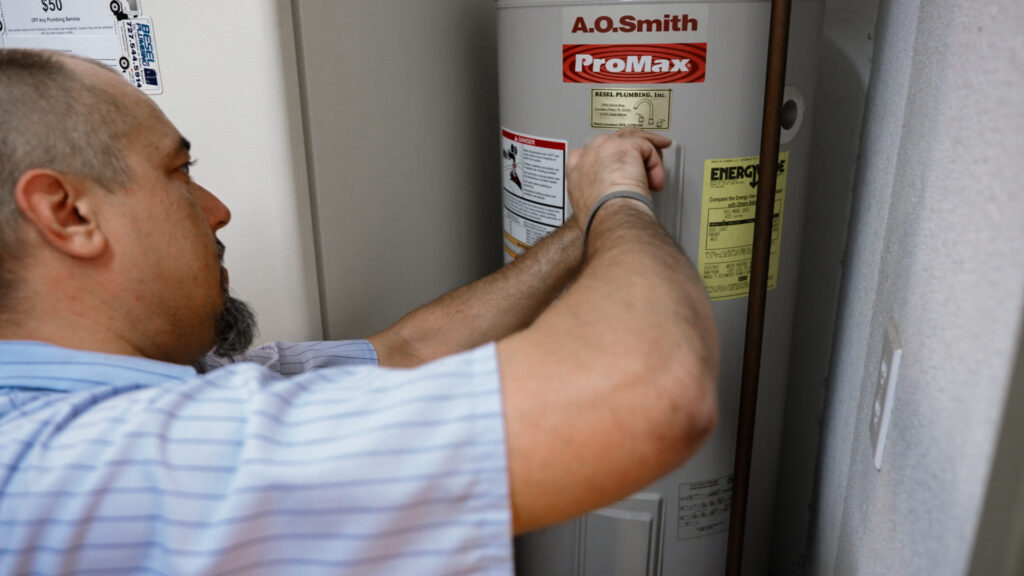
If the odor only appears when you use hot water, your water heater is one of the first places to investigate.
Why Does My Hot Water Smell Like Rotten Eggs?
Hydrogen sulfide is responsible for the distinctive sulfur or rotten egg odor you may notice in water. According to Penn State Extension, sulfur-reducing bacteria can produce hydrogen sulfide, and when the odor occurs only in hot water, reactions taking place inside the water heater may be the source.
There are several possible reasons this happens.
1. Bacteria Inside the Water Heater
Certain naturally occurring bacteria can thrive in a warm water heater tank, particularly when water sits unused for an extended period.
These bacteria can interact with sulfur compounds in the water and produce hydrogen sulfide gas. When you turn on a hot-water faucet, that gas escapes and creates the familiar rotten egg smell.
This may be more noticeable after:
- A home has been vacant for a while
- The water heater has been turned off or set at a low temperature
- Water has remained stagnant inside the tank
- The home’s water chemistry encourages bacterial growth
If you’re dealing with recurring odors or other performance problems, professional water heater repair can help determine what is happening inside the system.
2. The Water Heater’s Anode Rod May Be Contributing to the Smell
Traditional tank water heaters typically contain an anode rod, which is designed to protect the tank from corrosion. Instead of allowing the steel tank to corrode, the anode rod gradually deteriorates over time.
That’s an important job—but certain anode rod materials, particularly magnesium, can react with naturally occurring compounds in the water and contribute to hydrogen sulfide production.
If your water smells normal when it’s cold but develops a sulfur smell when it’s heated, the anode rod may be part of the problem.
A plumber can inspect the rod and determine whether replacement with a different type of anode rod may help without eliminating the corrosion protection your water heater needs.
3. The Sulfur May Be Coming From Your Water Supply
The water heater isn’t always the culprit.
If both your hot and cold water smell like rotten eggs, hydrogen sulfide may already be present in the home’s water supply.
This is particularly worth investigating for homes that use well water, although water-quality issues can occur with other water sources as well.
A simple way to narrow down the problem is to compare several faucets:
Smell only in hot water: The water heater is a likely source.
Smell in both hot and cold water: The water supply or plumbing system may be responsible.
Smell at only one sink or drain: The odor could actually be coming from the drain rather than the water itself.
The Clean Plumbers also offers plumbing and water-quality services throughout Tampa Bay, so a professional can help determine whether the issue originates with the water heater or elsewhere in your plumbing system.
Could the Rotten Egg Smell Be Coming From My Drain?
Yes—and this is an important distinction.
Sometimes homeowners assume their water smells when the odor is actually coming from bacteria or buildup inside the sink drain.
Try filling a clean glass with water and walking away from the sink before smelling it. If the water itself doesn’t smell but the odor is noticeable while you’re standing over the drain, the drain may be the real source.
If the odor follows the glass of hot water away from the sink, the problem is more likely associated with the water or water heater.
Is Rotten Egg-Smelling Hot Water Dangerous?
A sulfur odor doesn’t automatically mean your water is unsafe. In many residential situations, the hydrogen sulfide concentrations responsible for the odor are primarily a nuisance rather than a health concern.
However, a persistent or suddenly developing water odor shouldn’t simply be ignored, especially if you aren’t certain where it is coming from.
Changes in water smell, taste, or appearance can have multiple causes. A professional plumber can help identify whether the problem is isolated to the water heater or points to a broader water-quality issue.
How Do You Get Rid of the Rotten Egg Smell From a Water Heater?
The right solution depends on what’s causing the odor.
A plumber may recommend flushing or disinfecting the water heater if bacterial growth is suspected. If the anode rod is contributing to the reaction, it may need to be inspected or replaced with a different compatible material.
If the smell occurs throughout the home’s hot and cold water, testing the water supply and considering an appropriate treatment system may make more sense than modifying the water heater.
That’s why identifying the source first is important. Replacing parts without knowing the cause may only provide temporary relief.
Should I Flush My Water Heater?
Routine water heater maintenance can help remove sediment and mineral buildup that collects at the bottom of a tank.
While flushing alone doesn’t solve every sulfur-odor problem, maintaining the system can improve performance and give a plumber an opportunity to identify developing issues before they become more expensive repairs.
If your water heater hasn’t been maintained recently, The Clean Plumbers provides plumbing services throughout Tampa and surrounding communities, including water heater maintenance, repair, installation, and replacement.
When Should You Call a Plumber About Smelly Hot Water?
Consider scheduling a professional inspection if:
- The rotten egg smell continues for more than a short period
- Only the hot water smells bad
- The odor repeatedly returns after flushing the system
- Your water heater is older or showing signs of corrosion
- You notice sediment, discoloration, leaking, or inconsistent hot water along with the odor
- You’re unsure whether the smell is coming from the water heater, plumbing, or water supply
A plumber can inspect the water heater, evaluate the anode rod and tank condition, and determine whether water testing or treatment should also be considered.
Water Heater Help for Tampa Bay Homeowners
If your hot water suddenly smells like rotten eggs, don’t just cover up the odor. Finding the source can help eliminate the smell while also identifying water heater or water-quality problems that may need attention.
The Clean Plumbers has served Tampa Bay homeowners since 1982 and provides water heater repair, maintenance, installation, and replacement for traditional tank, tankless, and other water heater systems.
If your water heater smells like sulfur or simply isn’t working the way it should, schedule service with The Clean Plumbers to have the problem professionally diagnosed.
Serving Tampa, St. Petersburg, The Villages, Clearwater, Brandon, Riverview, Wesley Chapel, Palm Harbor, and communities throughout the Tampa Bay area.